







Search Results for: Asahi Weipin
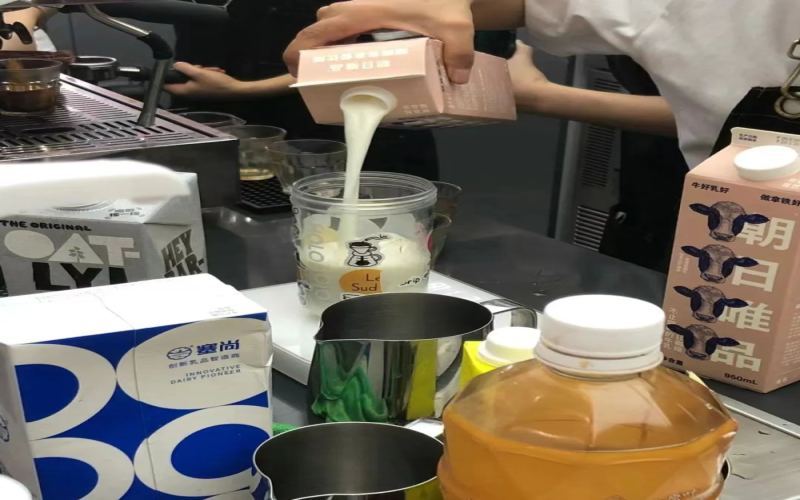
Asahi Weipin launches a transparent clear milk, taking clarified milk from handmade to mass production
In coffee drinks, milk has always been latte's soulmate, and its quality directly affects the taste performance of the final product. In recent years, the continued heating up of the coffee market has also brought a group of high-quality milk brands into the public eye, and Asahi Weipin is one of the most noteworthy. The brand recently launched a transparent milk that overturns traditional perceptions—Clear Milk, claiming to have a lighter taste than milk yet be smoother and richer than water. The arrival of this product means that clarified milk, which in the past required baristas to spend a great deal of time making by hand, can now be mass-produced, bringing new possibilities to the creation of specialty coffee. How exactly is this transparent milk achieved? How does its taste differ from ordinary milk? This article will explain it in detail for you. [more…]

Which fresh milk should you choose for iced lattes and flat whites? A hands-on comparison of seven types of low-temperature whole milk in homemade coffee
The flavor quality of a latte is often decided by the choice of milk. There are many fresh milk brands on the market, with a wide price range, and their performance when paired with coffee varies. For home coffee enthusiasts, it is difficult to buy them one by one for comparison testing. This time, Front Street Coffee selected seven whole milk products that are common in coffee scenarios and relatively easy to buy, and conducted a comprehensive evaluation from low-temperature direct drinking, taste after heating, to the flavor, balance, and milk foam texture when making iced lattes and hot flat whites. There is no commercial promotion throughout, and the aim is to provide purchasing reference for readers with different taste preferences. This article does not set a final conclusion; the focus is on presenting the real performance of each milk to help everyone find the one that suits them. [more…]
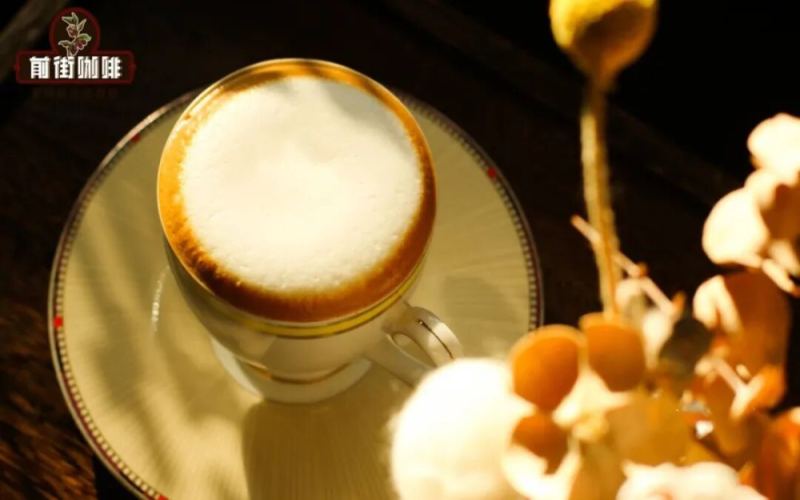
How to Choose Milk for Coffee? A Guide from the Differences Between Fresh Milk and Pure Milk to Milk Pairings for Lattes, Flat Whites, and Dirty Coffee
Milk plays an irreplaceable role in coffee drinks—lattes, flat whites, cappuccinos, and Dirty coffees all depend on it. But faced with the dazzling array of dairy products on the market, which milk is actually suitable for pairing with coffee? What's the difference between fresh milk from different brands and shelf-stable pure milk when making coffee? Front Street Coffee combines milk characteristics with coffee bean styles to help you sort out your milk selection approach. From the advantages of whole fresh milk, to matching milk according to roast level, to the milk selection directions for iced and hot lattes, flat whites, and Dirty coffees respectively, this article explains each one by one, helping coffee enthusiasts find the right milk pairing when making different coffees. [more…]
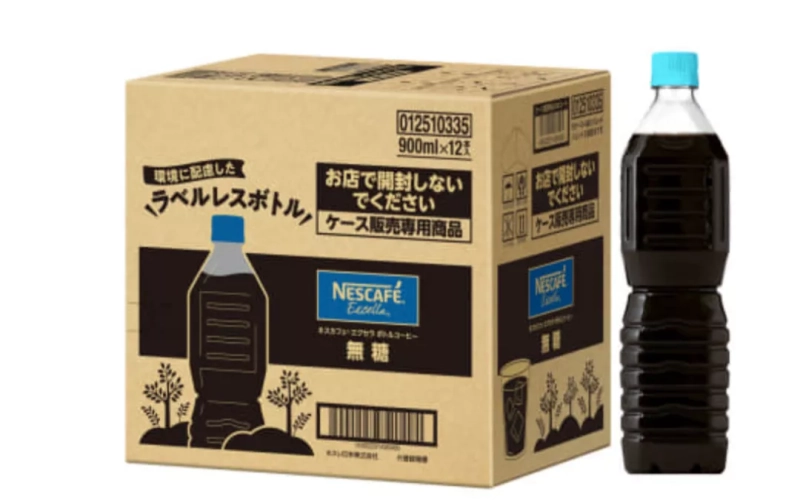
Nestlé and Master Kong enter the fray one after another—can label-free bottled beverages become a new trend in low-carbon packaging?
In recent years, as environmental awareness has risen, label-free bottled beverages have moved from once being considered "alternative" to becoming legalized. Brands such as Nestlé Japan Coffee, Asahi, Suntory, and Evian have successively tested the waters, and domestically, Master Kong has also launched label-free iced tea. Such products are mostly sold by the case, with only the shelf life and product name laser-printed on the bottle, while legal information is printed on the outer box. About 60% of Japanese consumers are willing to pay for them, mainly because it reduces PVC waste and the hassle of sorting. Domestic reactions are mixed: supporters believe it responds to carbon reduction, while those concerned see it as a promotional gimmick. This article sorts out the origins and development of this packaging change and explores whether it can be implemented over the long term. For friends who love drinking coffee, Front Street Coffee also continuously pays attention to such environmental trends. [more…]

Why Is Jersey Milk So Expensive? A Hands-On Report on Making Lattes and Dirty Coffee with It
In the world of specialty coffee, milk is no longer an optional supporting player—it is the key variable that determines the quality of a milk-based coffee. From Ice Blog to Jersey milk, coffee shops are becoming increasingly discerning about their milk sources. Jersey milk has long been known as the "Hermès of milk," priced far above ordinary fresh milk—so what exactly makes it so expensive? And how does it perform in a Dirty and a latte? This article will analyze the Jersey cow's breed origins, butterfat and protein content, and other dimensions, and compare the actual performance of Xiangmanlou and Weipin Jersey milk versus ordinary fresh milk in Dirty and hot lattes, to help you decide whether Jersey milk is worth paying for in your milk coffee. [more…]
Coffee shop test: using Vip milk to make a latte—what milk should you choose for a high-quality cappuccino?
When making a cappuccino, most people focus only on the espresso extraction while overlooking the decisive influence of milk on flavor. The Nestlé, Bayi, Mengniu, Yili and similar brands commonly used in domestic coffee shops are actually all modified milks, with a thin, bland taste and insufficient milk aroma, which tend to feel disconnected when paired with espresso. WBC competitors often bring their own milk to improve quality. Front Street Coffee noticed that the Vip pure milk produced by Asahi Green Source has a shelf life of only half a month and is a truly unadjusted pure milk. Through actual testing, this article uses Vip milk to make a cappuccino, comparing its performance with other milks in terms of milk foam texture, sweetness, and integration with coffee, and offers advice on whether it is worth switching for shop owners, while also covering practical information such as cost and purchasing channels. [more…]

Why has Jersey milk become the new favorite of coffee shops? An in-depth review of its high price yet making Dirty coffee more outstanding
In today's world of constantly upgrading specialty coffee, the success of a milk coffee depends not only on the beans and the barista—the choice of milk is equally crucial. From Ice Blog to Jersey milk, competition among coffee shops over milk sources is growing ever fiercer. Jersey milk has been dubbed the "Hermès of milk," priced far above ordinary fresh milk, yet it is still sought after by many specialty cafés. What exactly justifies its high price? Is its taste truly superior? What kind of flavor performance does it bring when used to make a Dirty and a latte? Through actual testing of three different milks, this article comprehensively analyzes the application value of Jersey milk in coffee—from fat, protein, and lactose content to actual brewing results—and explores whether it is suitable for everyday milk coffee preparation. [more…]
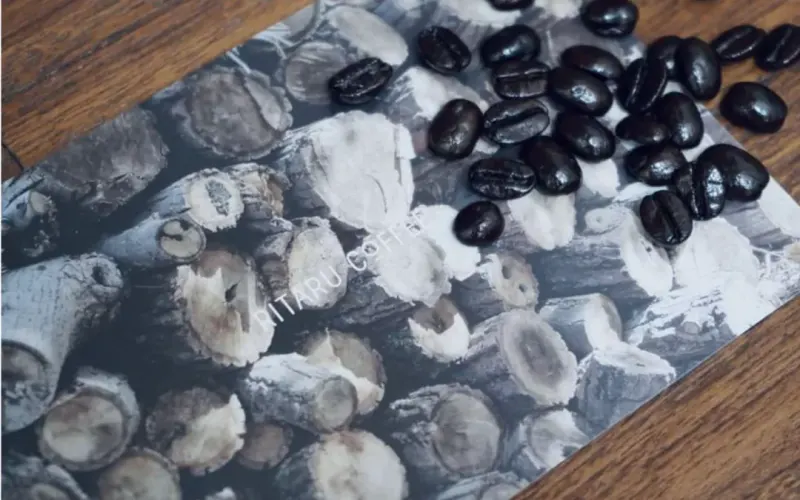
Smoking Coffee Beans with Wood Fire: A New Exploration from an Old Schoolhouse in Hokkaido to Smoky Flavors in the Cup
Smoky flavors in coffee are often seen as a defect, but properly roasted dark roast beans, Guatemala origins, and coffee smoked with specific woods can deliver a pleasant smoky experience. Hokkaido University in Japan, in collaboration with Sapporo's Ritaru coffee, used century-old trees felled during the demolition of old school buildings to smoke coffee beans, giving the coffee a unique woody aroma. Roasters must repeatedly experiment and make adjustments based on tree species, moisture content, thickness, and other factors, and often choose Guatemala or Tanzania beans to harmonize the flavors. This article will take you through the story and professional details behind this innovative process. [more…]